


How to Choose a Reliable Non Woven Filter Bag Manufacturer
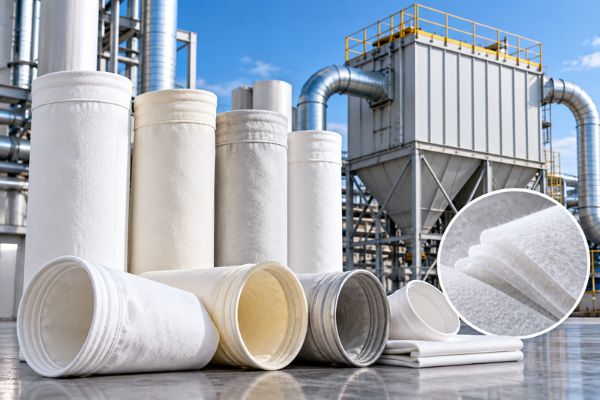
A reliable non woven filter bag manufacturer helps industries control dust, improve filtration performance, and maintain cleaner production areas. Non woven filter bags are widely used in dust collection systems because they can capture fine particles while allowing proper airflow through the filtration system.
Industries such as cement, chemicals, pharmaceuticals, food processing, foundries, power plants, engineering, and manufacturing often require filter bags made according to specific operating conditions.
Choosing the right manufacturer is important because filter bag performance depends on material quality, temperature resistance, dust characteristics, airflow, chemical exposure, and bag dimensions.
A good manufacturer should understand these conditions before recommending the right filtration solution.
What Is a Non Woven Filter Bag?
A non woven filter bag is made from fibres that are bonded, needled, or processed together without traditional weaving.
This structure creates a filtration layer that can trap dust particles while allowing air to move through the fabric.
Non woven filter bags are commonly installed inside industrial dust collectors, bag filters, and pollution control systems.
They are available in different materials depending on temperature, chemical exposure, moisture, and dust type.
Common materials include:
- Polyester
- Polypropylene
- Acrylic
- PPS
- PTFE
- Fiberglass-based media
- High-temperature synthetic fibres
The correct material should always be selected according to the actual operating environment.
Why Industries Use Non Woven Filter Bags
Industrial dust can affect equipment, worker safety, product quality, and surrounding air conditions.
A properly selected non woven filter bag helps collect airborne particles before cleaned air is released from the system.
Major benefits include:
- Effective dust collection
- Good airflow
- High dust holding capacity
- Suitable filtration for fine particles
- Different material options
- Compatibility with industrial dust collectors
- Reduced dust leakage
- Better plant cleanliness
- Custom sizes for different bag filter systems
The actual filtration performance depends on the filter media, dust load, airflow, temperature, and maintenance cycle.
Applications of Non Woven Filter Bags
A professional non woven filter bag manufacturer can supply filter bags for several industries.
Cement Industry
Cement plants generate large amounts of fine dust during crushing, grinding, transfer, packing, and material handling.
Non woven filter bags can be used in suitable dust collection units to control these particles.
Chemical Industry
Chemical plants may require filter bags with better resistance to acids, alkalis, moisture, or aggressive gases.
Material selection is especially important in these applications.
Pharmaceutical Industry
Dust control is important in pharmaceutical manufacturing environments.
Suitable filter media can help collect fine process particles from dust collection systems.
Food Processing Industry
Food processing facilities may require filtration solutions for flour, powders, spices, grains, and similar materials.
The filter bag should be selected according to hygiene and process conditions.
Foundry and Metal Industry
Foundries and metal processing units generate smoke, dust, and fine particles.
High-temperature or specialised filter media may be required depending on the process.
Power Plants
Dust collection systems in power generation facilities may handle ash and high-temperature particles.
The correct filter bag material should be selected according to operating temperature and chemical conditions.
Types of Non Woven Filter Bag Materials
Different filter media perform differently under industrial conditions.
| Filter Bag Material | Common Characteristics | Typical Use |
|---|---|---|
| Polyester | Good general-purpose filtration | Industrial dust collection |
| Polypropylene | Good chemical resistance | Chemical and wet conditions |
| Acrylic | Suitable for moisture-related applications | Industrial filtration |
| PPS | Higher temperature and chemical resistance | Boiler and power applications |
| PTFE | Excellent chemical and temperature resistance | Harsh industrial conditions |
| Fiberglass Media | Suitable for high-temperature applications | Cement and thermal processes |
The table is only a general guide.
Final material selection should be based on actual plant conditions.
What Should You Check Before Buying Non Woven Filter Bags?
Before sending an enquiry to a manufacturer, collect important system information.
Operating Temperature
Temperature is one of the most important factors.
A filter media that performs well at normal temperature may not be suitable for high-temperature gases.
Dust Type
Fine powder, abrasive dust, sticky particles, moisture, and chemical dust can require different filter materials.
Chemical Exposure
Check whether the filter bag will come into contact with acidic or alkaline gases.
Airflow
The dust collector airflow affects filtration efficiency and pressure drop.
Bag Dimensions
The length, diameter, top design, bottom design, and fixing method should match the existing dust collector.
Cleaning Method
Filter bags may be used with:
- Pulse jet systems
- Reverse air systems
- Shaker systems
Custom Non Woven Filter Bags for Industrial Dust Collectors
Not every dust collector uses the same filter bag.
Many industries require customised bags according to their existing equipment.
A manufacturer may customise:
- Bag diameter
- Bag length
- Filter media
- Top construction
- Bottom construction
- Snap band design
- Ring arrangement
- Surface treatment
- Coating
- Temperature grade
- Chemical resistance
- Dust release properties
Providing correct technical specifications before production can reduce fitting problems during installation.
Importance of Filter Bag Surface Treatment
Different surface treatments may improve filtration performance for certain applications.
Depending on the filter media and process, options may include:
- Singeing
- Glazing
- Heat setting
- Water and oil repellent treatment
- Anti-static treatment
- PTFE membrane coating
These treatments should not be selected only because they sound advanced.
They should solve a real operating problem.
For example, anti-static filter bags may be considered in applications where static electricity creates operational concerns.
Non Woven Filter Bag Manufacturer in Ahmedabad Gujarat
Ahmedabad and other industrial regions of Gujarat have strong demand for pollution control and dust filtration products.
Industries operating in Ahmedabad, Vadodara, Bharuch, Ankleshwar, Vapi, Rajkot, Surat, and nearby manufacturing areas regularly use dust collection systems.
Working with a non woven filter bag manufacturer in Ahmedabad can help local industrial buyers communicate specifications, understand available materials, and source replacement filter bags for existing systems.
For buyers outside Gujarat, filter bags can also be supplied according to technical drawings, dimensions, material requirements, or sample specifications.
Non Woven Filter Bag Manufacturer in India
Industrial buyers across India require filter bags for both new dust collection systems and replacement requirements.
A reliable non woven filter bag manufacturer in India should be able to support different industries with suitable filtration media and customised dimensions.
Before placing a bulk order, buyers should confirm:
- Filter media
- Temperature limit
- Chemical compatibility
- Micron requirement where applicable
- Bag dimensions
- Dust collector type
- Cleaning system
- Quantity
- Packaging
- Delivery schedule
This information helps reduce errors and makes quotation comparison easier.
How to Select the Right Non Woven Filter Bag Manufacturer
Price should not be the only selection factor.
Consider these points before choosing a supplier.
Technical Understanding
The manufacturer should ask about your application instead of recommending the same filter media for every industry.
Material Options
Different operating conditions require different filtration materials.
Custom Manufacturing
The supplier should be able to manufacture bags according to required dimensions.
Product Consistency
Bulk orders should have consistent size, stitching, construction, and material quality.
Application Support
A manufacturer with industrial filtration experience can help buyers shortlist suitable options.
Delivery Capability
For plants with regular replacement cycles, timely supply is important.
When Should Industrial Filter Bags Be Replaced?
There is no single replacement period for every filter bag.
Filter life depends on:
- Temperature
- Dust abrasiveness
- Chemical exposure
- Cleaning frequency
- Air-to-cloth ratio
- Moisture
- Installation quality
- Pressure drop
- Maintenance condition
Possible signs of filter bag problems include:
- Increased dust emission
- Frequent pressure drop problems
- Visible bag damage
- Excessive leakage
- Reduced airflow
- Damaged seams
- Hard dust deposits on the filter surface
Regular inspection can help identify problems before filtration efficiency drops significantly.
How Non Woven Filter Bags Support Better Dust Collection
A filter bag is one part of the complete dust collection system.
Good filtration also depends on proper airflow, bag cage condition, cleaning pressure, hopper performance, ducting, and system maintenance.
For this reason, replacing a damaged filter bag without checking the complete system may not solve recurring filtration problems.
Industrial buyers should evaluate the dust collector as a complete system.
Conclusion
Choosing the right non woven filter bag manufacturer is important for maintaining effective industrial dust filtration.
The correct filter bag should match operating temperature, dust type, chemical conditions, airflow, cleaning method, and equipment dimensions.
Instead of selecting a filter bag only by price, industrial buyers should compare material quality, technical compatibility, customisation capability, and application requirements.
A properly selected non woven filter bag can support cleaner operations, consistent dust collection, and better performance from industrial filtration systems.
FAQs
A non woven filter bag is an industrial filtration product made from bonded or needled fibres. It is commonly used in dust collectors to capture fine particles from industrial air streams.
The best material depends on temperature, dust type, moisture, and chemical exposure. Polyester, polypropylene, acrylic, PPS, PTFE, and other specialised materials are used for different applications.
They are commonly used in cement plants, chemical industries, pharmaceuticals, food processing, foundries, power plants, engineering units, and other manufacturing facilities.
Yes. Industrial filter bags can usually be manufactured according to required diameter, length, top design, bottom construction, filter media, and dust collector specifications.
Check the manufacturer’s material range, technical understanding, custom manufacturing capability, product consistency, industry experience, and delivery support.
Filter bag life depends on operating temperature, chemical exposure, dust load, airflow, cleaning frequency, material selection, and maintenance conditions. There is no fixed life for every application.
Provide the filter bag dimensions, required material, operating temperature, dust type, chemical conditions, dust collector type, cleaning method, quantity, and existing bag specifications where available.